Food Waste Measurement at the University
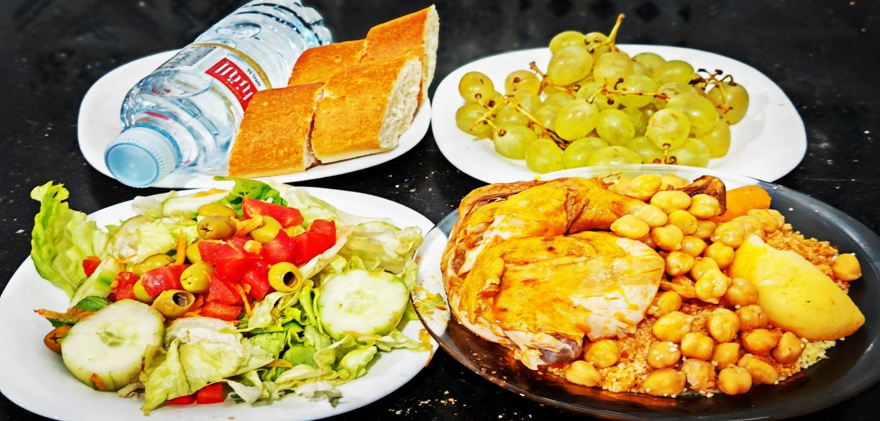
- Controlling Portions and Smaller Plates – Offering smaller portions and plates in our restaurants prevents overloading dishes and reduces leftovers.
- Oum El Bouaghi University is committed to promoting responsible food consumption and improving the sustainability of its campus dining services. As part of its efforts to minimize food waste and enhance resource efficiency, the university has adopted measures to improve meal distribution and encourage more responsible consumption practices among students, academic and administrative staff, and other beneficiaries of its university catering facilities.
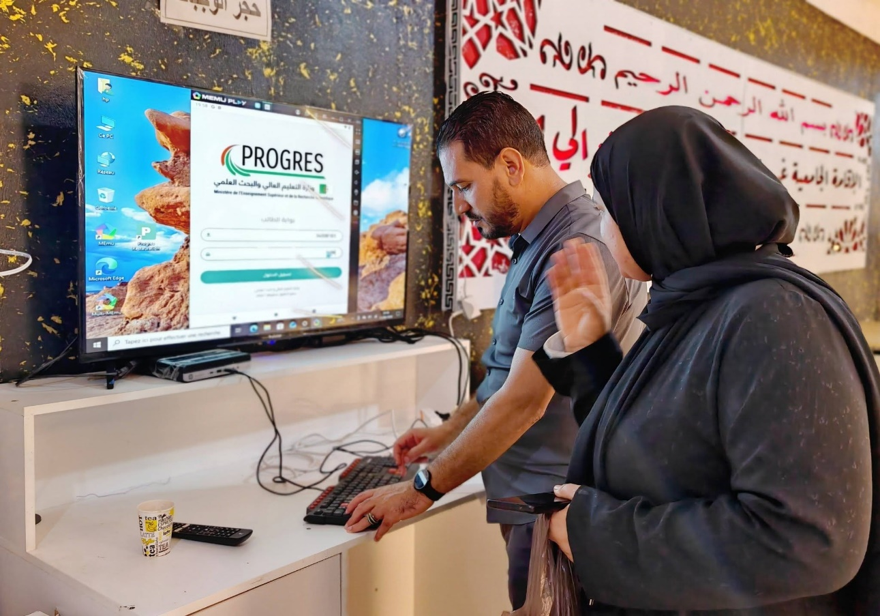
- A key component of this approach is the implementation of a digital meal management system integrated with identification cards equipped with Radio Frequency Identification (RFID) technology. This system enables the electronic authentication of eligible users and facilitates the monitoring and regulation of access to university dining services. By linking meal access to individual identification cards, the system helps control meal entitlements, prevent duplicate meal collection within the designated service period, and improve the management of food distribution. These mechanisms support more accurate meal allocation and contribute to reducing the risk of unnecessary food preparation and waste. The report also emphasizes reserving lunch before service. Advance reservation counts help the dining team estimate expected demand and prepare closer to the number of meals needed, reducing avoidable surplus; compare reservations, meals served, and measured leftovers to track the effect.
- In addition to improving operational efficiency, the adoption of digital meal management reflects the university’s broader commitment to sustainable resource utilization and environmentally responsible campus operations. By strengthening control over meal distribution and encouraging the appropriate allocation of food portions, the university seeks to minimize avoidable food waste while ensuring the organized provision of catering services to its university community.
- These measures contribute to the university’s wider sustainability agenda and support the principles of Sustainable Development Goal 2 (Zero Hunger), particularly the promotion of sustainable food systems and the efficient management of food resources. They also demonstrate the role of digital innovation in strengthening institutional sustainability practices. Through the continued development of these mechanisms and the monitoring of their outcomes, Oum El Bouaghi University aims to reinforce its evidence-based approach to food waste prevention, responsible consumption, and sustainable campus management.
Links of Directorate of University Services Oum El Bouaghi
https://www.facebook.com/DoumElbouaghi
https://www.facebook.com/DoumElbouaghi/photos/pb.100064895912518.-2207520000/945506499491684/?type=3
https://www.facebook.com/photo/?fbid=945506499491684&set=pb.100064895912518.-2207520000
- Inventory Management and Food Preservation – Utilizing FIFO protocols (First-In, First-Out), proper storage and refrigeration prevent food spoilage.
Oum El Bouaghi University prioritizes effective inventory management and food preservation techniques to mitigate food waste within its dining services. By employing FIFO (First-In, First-Out) protocols, the university ensures that older food items are used before newer ones, thereby minimizing spoilage. This systematic approach to inventory control not only helps in maintaining food quality but also significantly reduces the amount of food that goes to waste due to expiration. By consistently monitoring inventory and adhering to these protocols, the university promotes a culture of efficiency and responsibility in its food service operations.
In addition to FIFO practices, proper storage and refrigeration are integral components of the university’s strategy to prevent food spoilage. The university has implemented stringent guidelines for food storage, ensuring that all items are kept at appropriate temperatures and conditions. This meticulous attention to detail not only preserves the freshness and safety of the food served but also aligns with the university’s broader sustainability goals. Through these proactive measures, Oum El Bouaghi University demonstrates its commitment to reducing food waste and fostering a more sustainable dining environment for its students and staff.
Links of Directorate of University Services Oum El Bouaghi
https://www.facebook.com/DoumElbouaghi/photos/pb.100064895912518.-2207520000/961606057881728/?type=3
https://www.facebook.com/photo/?fbid=442258797886161&set=pb.100063061338078.-2207520000
https://www.facebook.com/photo/?fbid=960882284620772&set=pb.100064895912518.-2207520000